
合理的な疑いを超えて


Language


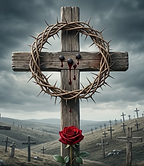


The True Gospel
e


The spiritual path begins with a direct call from Yeshua: “Repent, for the kingdom of heaven is at hand.” This imperative is the doorway to salvation—a foundational, inward shift away from sin and a fallen world, and a redirection of the heart toward the sovereign authority of God.
-
Matthew 4:17 — “From that time Jesus began to preach, and to say, ‘Repent: for the kingdom of heaven is at hand.’”
-
Mark 1:15 — “And saying, ‘The time is fulfilled, and the kingdom of God is at hand: repent ye, and believe the gospel.’”
2. The Doorway: Water Baptism and the Holy Spirit
Following the resurrection and ascension of Yeshua, Peter declared the active steps of covenant entry at Pentecost: turning in repentance, being buried with Messiah in baptism, and receiving divine empowerment through the Spirit.
-
Acts 2:38 — “Then Peter said unto them, ‘Repent, and be baptized every one of you in the name of Jesus Christ for the remission of sins, and ye shall receive the gift of the Holy Ghost.’”
-
John 3:5 — “Jesus answered, ‘Verily, verily, I say unto thee, Except a man be born of water and of the Spirit, he cannot enter into the kingdom of God.’”
3. The Blood: Grafted into the Commonwealth of Israel
By the blood shed on the tree, the dividing wall of hostility was torn down. Nations once alienated from the promises and covenants are brought near and grafted as wild olive branches into the root of Israel.
-
Ephesians 2:12–13 — “That at that time ye were without Christ, being aliens from the commonwealth of Israel, and strangers from the covenants of promise, having no hope, and without God in the world: But now in Yesgua messiah ye who sometimes were far off are made nigh by the blood of Christ.”
-
Romans 11:17 — “And if some of the branches be broken off, and thou, being a wild olive tree, wert graffed in among them, and with them partakest of the root and fatness of the olive tree.”
4. The Commission: Gathering Others into the Harvest
Salvation is not walked in isolation; a grafted branch bears fruit. Believers are commanded to act as fishers of men and ambassadors, working to gather the lost into the Father’s house before the end.
-
Matthew 28:19–20 — “Go ye therefore, and teach all nations, baptizing them in the name of the Father, and of the Son, and of the Holy Ghost: Teaching them to observe all things whatsoever I have commanded you.”
-
Matthew 9:37–38 — “Then saith he unto his disciples, ‘The harvest truly is plenteous, but the labourers are few; Pray ye therefore the Lord of the harvest, that he will send forth labourers into his harvest.’”
-
Luke 14:23 — “And the lord said unto the servant, ‘Go out into the highways and hedges, and compel them to come in, that my house may be filled.’”
5. The Perseverance: Holding Fast Until the End
The culmination of salvation requires endurance through trials, testing, and persecution. The promise of the eternal crown belongs to those who do not turn back.
-
Matthew 24:13 — “But he that shall endure unto the end, the same shall be saved.”
-
Hebrews 10:35–36 — “Cast not away therefore your confidence, which hath great recompence of reward. For ye have need of patience, that, after ye have done the will of God, ye might receive the promise.”
-
Revelation 2:25–26 — “But that which ye have already hold fast till I come. And he that overcometh, and keepeth my works unto the end, to him will I give power over the nations.”
真の福音
聖書のどこにも、イエスが私たちの罪のために死ぬために来られるという福音について、イエシュアは述べていません。
イェシュアは何を説教しましたか
多くの人は、聖書がこれまで語られてきたものとは異なる方法で福音を定義していることを知ってショックを受けるでしょう。徹底的に読むと、私たちの罪の代償としてキリストの血を受け入れることは、基本的に重要なことですが、実際にはキリストがもたらした「良いたより」の焦点ではなく、使徒たちが説教を続けたことがわかります。私たちの罪のために死ぬことに加えて、イエシュアは父なる神からの使者として地上に来ました。
良いニュースは、イェホバがイェシュアを任命して、この地上に彼の王国が来ることを発表したことです。
-
ヨハネ8:38 私は父と見たことを話し、あなたは父から聞いたことを行います。」
-
ヨハネによる福音書 12:49-50 私は自分の権威で語ったのではありません。 50 また、神の掟が永遠の命であることも知っています。したがって、私が言うことは、父が私に言われたとおりに言います。」
-
ヨハネ 14:24 わたしを愛さない者は、わたしの言葉を守りません。そして、あなたが聞いている言葉は私のものではなく、私を送った父たちのものです.
-
ルカによる福音書 4:43 イエスは彼らに言われた、「わたしは主の王国を人々に宣べ伝えなければならない。
この目的のために私が派遣されたので、他の都市もそうです。」
イェシュアはこの地上を歩んだ最も重要な人物でしたが、聖書はイェシュアによってもたらされた福音が単に彼自身に関するものではないことを明確に示しています。彼の声明を読んで、これを自分で証明してください。
-
マタイによる福音書 9:35 イエシュアはすべての町や村を巡り、会堂で教え、王国の福音を宣べ伝え、あらゆる病気をいやした。 36 群衆を見たとき、イエスは彼らをあわれに思われました。
-
マルコによる福音書 1:14-15 さて、ヨハネが投獄された後、イエシュアはガリラヤに来て説教した
「時は満ち、神の国は近づいた。悔い改め、福音を信じなさい。」
43
-
ルカによる福音書 8:1 その後、イエシュアはすべての町や村を巡って宣べ伝え、神の王国の吉報を伝えた。
-
ルカによる福音書 16:16 律法と預言者はヨハネまででした。その時以来、神の国が宣べ伝えられ、誰もがそれに押し入っています。
-
マタイによる福音書 24:14 律法の一画が滅びるよりは、天地が滅びるほうがたやすい。そして、この御国の福音は、すべての国へのあかしとして全世界で宣べ伝えられ、その後、終わりが来るでしょう。
御父がイエシュアを通して伝えた「良い知らせ」、今日聞くことができる最高の知らせは、彼の王国が地上に確立されたことに関するものでした。王国とは?
それは本質的に国家であり、すべての市民、土地、法律が政府によって統治されています。聖書の用法では、王国は、ひとり親から国に成長した家族を意味することもあります。
王国には 4 つの基本要素があります。
-
王、最高支配者、または統治機関。
-
特定の場所と明確な境界線を持つ領土。
-
その管轄区域内の対象者または市民。
-
そして、支配者の意志が行使される法律と政府の形態。これらの重要な要素のどれか一つでも無視すれば、イェシュアが御父からもたらされたメッセージを無視すれば、私たちは歪んだ信仰を持つことになり、救いをもたらさないでしょう。
誰が王になりますか?
神の王国の王がイェシュアであることは間違いありません。彼は地上にいる間は公的な権威を行使しませんでしたが、彼が戻ったとき、彼は「王の王、主の主」となるでしょう。黙示録 19:16; 17:14)。
他の預言者も、イスラエルとユダだけでなく、全世界に及ぶ王が来ることを予告しました。イザヤは次のように語っています。
私たちには子供が生まれ、私たちには息子が与えられます。そして政府は彼の肩にあるでしょう。そして彼の名前は、素晴らしい、助言者、力ある神、永遠の父、平和の君と呼ばれます。ダビデの王位と彼の王国の上で、彼の政府と平和の増加には終わりがなく、それを秩序立て、裁きと正義をもってそれを確立することは、その時から永遠にさえありません.万軍の主の熱意がこれを行う。 (イザヤ 9:6-7)
王国はどこに設立されますかサタンが人類に押し付けてきた支配的な虚偽は、人の魂は死後に天国に行くという信念です。多くの人は、神の王国という言葉は天国と同義だと思い込んでいますが、聖書は、イェシュアが戻ってきたときに神の王国が地上に確立されると教えています!
まず、死後に「天国に行く」という考えを聖書が完全に否定していることに注目してください。ペテロはペンテコステの日に群衆に言います、「男性と兄弟たち、族長ダビデについて自由に話させてください。彼は死んで埋葬されており、彼の墓は今日まで私たちと共にあります..
.. ダビデは天に昇らなかったからです」(使徒言行録 2:29, 34). この「神自身の心にかなう人」は天にはおらず、まだ墓の中にいます! 私たちの救い主はこのことを
-
ヨハネによる福音書 3:13: 「天に昇ったのは、天から下った者、すなわち天におられる人の子のほかにありません。」
-
伝道の書 9:5,10 旧約聖書と新約聖書の死んだ聖徒たちは、墓の中で眠り、復活を待っています。意識はありません。
-
ヨブ記 14:14-15 ヨブは復活を待つことについて次のように説明しています。あなたに答える。
-
黙示録 5:10、「そして、あなたは彼らを王国(王族)とし、私たちの神の祭司とされました。彼らは地上を支配するでしょう。」
-
ヨハネの黙示録 11:15 すると、第七の天使が鳴り響いた。 「この世界の王国は、私たちのエホバとその御子の王国となり、彼は永遠に君臨するでしょう!」
-
黙示録 21:21。そして、私は新しい天と新しい地を見ました。最初の天と最初の地は過ぎ去ったからです。また、海はもうありませんでした。それから私、ジョンは、聖なる都、新しいエルサレムが、夫のために飾られた花嫁のように準備されて、神のみもとに天から降りてくるのを見ました。そして、私は天から大きな声でこう言っているのを聞いた。彼らの目からすべての涙を取り除く. もはや死も, 悲しみも, 泣き声もない. 以前のものは過ぎ去ったので, もはや痛みはない.
…
-
黙示録 21:1 勝利する者はすべてのものを相続し、私は彼の神となり、彼は私の息子となるでしょう。地球上の誰もがその王国の市民になるわけではありません. 誰もが王の中の王に服従しますが、誰もがその精神的な王国に入ったわけではありません.
-
ヨハネ 3:3 イェシュアはこの真理をニコデモに明らかにしました。ニコデモが夜彼のところに来たとき、イエシュアは彼に言った、「あなたに言いますが、人は再び生まれなければ、神の国を見ることはできません」.
-
コリント人への第一の手紙 15:50。パウロはコリント人に、「肉と血[死すべき人間]は神の王国を受け継ぐことはできず、腐敗も腐敗のないものを受け継ぐことはできません」と言いました。復活の際に霊で構成された輝かしい体を与えられるまで、私たちはそれを見ることができません。
これは、全人類がイエシュアが地上で支配する王国に服従するとはいえ、必ずしもその一部になるとは限らないことを意味します。
マタイによる福音書 25:31-34 人の子が、すべての聖なる天使たちと共に栄光のうちに来るとき、彼はその栄光の玉座に座ります。すべての国民が神の前に集められ、羊飼いが羊とやぎを分けるように、神はそれらを互いに分けます。そして羊を右手に、やぎを左手に置く。それから王は彼の右手にいる人々に言います、「来て、私の父に祝福されたあなたは、世界の最初からあなたのために準備された王国を継承します。」そうすれば、神の王国はイエシュアによって支配され、死からよみがえって栄光を受けた人々によって受け継がれます。復活した聖徒たち、つまり神の王国の市民たちは、
地球の残りの人々に対するイエシュア (ダニエル 7:27; II テモテ 2:12; 黙示録 2:26-28; 5:9-10; 20:4-6; 22:5)。王国の法律とは何ですか?
-
裁判官 21:25。法律は、市民的および対人関係における団結、合意、および平和を確保するために人々が従うべきガイドにすぎません。主権者によって強制された理解された基準がなければ、誰もが自分の気まぐれや欲望に従って行動し、良いものや価値のあるものは何も生み出されません.神の王国も例外ではありません。
-
I コリント 14:33 神は混乱の主ではありません。彼の王国は平和で整然としたものになるでしょう。なぜなら、そこに入るすべての人が自発的に神の律法、すなわち戒めに従うからです。神は、彼の人生のパターンによって、彼が神に従わないことを示す人を彼の王国にいません.
-
(マタイ 7:21-23; ヘブル 10:26-31)。黙示録 12 章 17 節は、聖徒たちを「神の戒めを守り、イエシュアのあかしを持つ者。
神を愛することと隣人を自分自身のように愛することの 2 つの声明は、それぞれ最初の 4 つの戒めと最後の 6 つの戒めを要約しています。戒めは、神を愛し、人を愛する方法をさらに定義するだけです。私たちは一般的に、神を第一に置き、神を崇拝する際に身体的な補助を行わず、神の名前をむやみに唱えず、七日目の安息日を聖く保つことによって、神を愛しています。私たちは一般的に、両親を敬い、殺したり、姦淫したり、盗んだり、嘘をついたり、むさぼったりせずに、人を愛します。
-
ヨハネによる福音書 14:15 「わたしを愛しているなら、わたしの戒めを守ってください。わたしの戒めを持ち、それを守る人は、わたしを愛する人です。わたしを愛する人は、わたしの父に愛されます。わたしは父を愛し、明らかにします。私自身が彼に。」 「わたしを愛している人は、わたしの言葉を守ります。わたしの父はその人を愛し、わたしたちはその人のところに来て、彼と共に家を建てます。わたしを愛さない人は、わたしの言葉を守りません。あなたがたが聞く言葉は、私ではなく、私を送った父たちです。」
The Gospel (in Hebrew, the Besorah—"good news") that Yeshua (Jesus) personally preached is summarized in Mark 1:14–15:
"Now after John was put in prison, Yeshua came to Galilee, preaching the gospel of the kingdom of God, and saying, 'The time is fulfilled, and the kingdom of God is at hand. Repent, and believe in the gospel.'"
While modern ears often hear "the gospel" defined exclusively as the mechanics of individual salvation (how to go to heaven when you die), Yeshua’s proclamation was broader, deeper, and grounded in the Hebrew Scriptures: the Gospel of the Kingdom of God (Besorat HaMalkhut).
He announced that the sovereign rule, authority, and covenant reign of the Creator had broken directly into this fallen world through the King Himself.
1. "The Time is Fulfilled" (Prophetic Arrival)
When Yeshua said the time was fulfilled, He was speaking to a nation longing for deliverance. The prophecies of Daniel (the timeline of Daniel 9 and the stone that crushes the kingdoms of the world in Daniel 2) and Isaiah were reaching their climax.
In Luke 4:18–19, He opened the scroll of Isaiah 61 in the Nazareth synagogue to define His mandate:
-
Preaching good tidings to the poor and humble.
-
Healing the brokenhearted.
-
Proclaiming liberty to the captives and the opening of prison to those who are bound.
-
Proclaiming the acceptable year of the Lord (the ultimate Jubilee release from sin and debt).
-
2. "The Kingdom of God is at Hand" (The Core Proclamation)
Yeshua did not preach an abstract philosophy; He preached an active government and reign:
-
Sovereignty over the Kingdom of Darkness: Every time Yeshua cast out a demon, healed incurable diseases, or raised the dead, He was demonstrating that Satan’s usurpation of the earth was being overthrown. "If I cast out demons by the finger of God, surely the kingdom of God has come upon you" (Luke 11:20).
-
The Nature of the King’s Reign: His kingdom was not of this worldly system—it did not advance through political intrigue, violence, or human armies (John 18:36). Instead, it advanced through truth, sacrificial love, humility, and righteousness.
-
Present and Future: The Kingdom is already here in the hearts and walk of those who submit to the King, and it is yet to come in its physical, global fullness when the King returns to establish His reign in Jerusalem (Zechariah 14; Revelation 11:15).
-
3. "Repent" (Teshuvah — A Complete Return)
To enter this Kingdom, the requirement was not a passive intellectual nod, but Teshuvah—a radical turning around:
-
Turning from Self-Rule to God's Rule: Repentance means laying down rebellion, secular autonomy, and false religious pretenses.
-
Internalizing the Commandments: In the Sermon on the Mount (Matthew 5–7), Yeshua explained the constitution of the Kingdom. He made it clear that He did not come to abolish the Law or the Prophets, but to fill them to the full (Matthew 5:17). Kingdom repentance goes beyond external legalism to the motives of the heart—eradicating lust, hatred, pride, and greed.
-
Fruit of Repentance: Just as John the Baptist warned, Yeshua taught that true repentance always bears observable, righteous fruit (Matthew 7:16–21).
-
4. "Believe in the Good News" (Covenant Faith & Allegiance)
In the biblical mindset, "belief" (emunah) is not merely agreeing that God exists; it is active loyalty, trust, and obedience to the King:
-
Trusting the Father’s Provision: Ceasing to worry about food, drink, and clothing like the nations do, but rather "seeking first the kingdom of God and His righteousness, and all these things shall be added to you" (Matthew 6:33).
-
Trusting the Sacrifice of the Son: Yeshua taught that He came "not to be served, but to serve, and to give His life a ransom for many" (Mark 10:45). The Good News is that the King took the curse of our disobedience upon Himself at Passover, shedding His blood to ratify the New Covenant (Matthew 26:28).
-
Victory Over the Grave: Yeshua promised that whoever hears His word and believes Him who sent Him has passed from death into life (John 5:24), anchored by His own resurrection as the firstfruits from the dead.
-
5. Summary: What Entering the Gospel Requires
In Yeshua's own words, walking in the Gospel means:
-
Denying Self: "If anyone desires to come after Me, let him deny himself, and take up his cross daily, and follow Me" (Luke 9:23).
-
Obeying the Father's Will: "Not everyone who says to Me, 'Lord, Lord,' shall enter the kingdom of heaven, but he who does the will of My Father in heaven" (Matthew 7:21).
-
Loving God and Neighbor: Loving the Lord with all your heart, soul, mind, and strength, and loving your neighbor as yourself (Mark 12:29–31).
-
Proclaiming the Kingdom to All Nations: "And this gospel of the kingdom will be preached in all the world as a witness to all the nations, and then the end will come" (Matthew 24:14).
In short, the Gospel Yeshua taught is the royal proclamation that God’s reign has arrived in His Messiah, calling every human heart to turn away from sin, enter covenant peace with the Father through the Son, and live as an obedient citizen of His eternal Kingdom.
In ancient kingdoms, when a king ascended his throne, he issued a royal charter or legal code declaring how his realm would be governed and what was expected of his subjects. In Matthew 5–7, Yeshua goes up on a mountain—echoing Moses ascending Mount Sinai—sits down in the posture of a reigning king and teacher, and delivers the manifesto of His newly inaugurated reign.
The Sermon on the Mount is not an impractical, idealistic philosophy, nor is it a checklist to earn salvation. It is the living, practical constitution of the Kingdom of God, dictating the character, inner motives, ethics, and daily allegiance required of every citizen walking under Messiah's rule.
1. The Preamble: The Citizen’s Internal Disposition (The Beatitudes)
Any national constitution opens with foundational values. Earthly empires prize military conquest, political clout, wealth, and self-assertion. Yeshua begins His charter (Matthew 5:3–12) by turning the world's value system completely upside down:
-
Poor in Spirit: Recognizing total spiritual bankruptcy and utter dependence on the King.
-
Mourning: Grieving over personal sin and the brokenness of a fallen world.
-
Meekness: Possessing harnessed strength, patience, and humility rather than violent ambition.
-
Hunger for Righteousness: Longing for God’s righteous order to prevail more than craving food or physical comfort.
-
Mercy and Purity of Heart: Extending forgiveness and maintaining undivided, uncorrupted loyalty to God.
-
Peacemaking: Actively reconciling estranged parties, reflecting the character of the Father.
These are not separate groups of people receiving different rewards; together, they describe the temperament of the citizen who has laid down self-rule.
2. The Citizen’s Public Office: Salt and Light
Citizens of the Kingdom do not live in isolationist enclaves; they are embedded directly into a decaying and dark culture (Matthew 5:13–16):
-
Salt of the Earth: In antiquity, salt was a preservative that arrested rot and decay. Kingdom citizens preserve truth, hold back moral corruption, and bring spiritual flavor to the societies they inhabit.
-
Light of the World: Light exposes danger and guides the traveler. Believers do not hide their allegiance to the King; their visible, tangible good works shine so that observers give glory directly to the Father.
-
3. The Legal Standard: Fulfilling and Internalizing the Law
In Matthew 5:17–20, Yeshua establishes the legal framework of His government, dispelling any thought of lawlessness or anarchy:
"Do not think that I came to destroy the Law or the Prophets. I did not come to destroy but to fulfill. For assuredly, I say to you, till heaven and earth pass away, one jot or one tittle will by no means pass from the law till all is fulfilled."
To "fulfill" (pleroo) in Hebrew thought means to bring the law to its fullest intended meaning and expression, not to abolish it. Yeshua contrasts the superficial, external legalism of the religious establishment with the King’s internal standard. Through a series of six antitheses ("You have heard that it was said... but I say to you"), He shows that the King's law governs the thoughts and desires before an act is ever committed:
-
Murder vs. Contempt: It is not enough to refrain from physical murder; harboring bitter anger, resentment, or hurling venomous insults (Raca) makes one liable to judgment (5:21–26).
-
Adultery vs. Lust: Purity is not just refraining from physical unfaithfulness; looking with covetous intent is adultery in the heart (5:27–30).
-
Oaths vs. Total Integrity: Citizens do not need elaborate religious oaths or legal loopholes to verify their truthfulness; their word is their bond—their "Yes" means yes, and their "No" means no (5:33–37).
-
Retaliation vs. Sacrificial Generosity: Rather than demanding immediate vengeance ("an eye for an eye"), citizens yield personal rights, go the extra mile, and overcome evil with good (5:38–42).
-
Love for Enemies: The ultimate test of Kingdom citizenship is reflecting the Father’s indiscriminate benevolence—praying for persecutors and blessing those who curse you (5:43–48).
-
4. Public Duty & Worship: Sincerity Over Religious Theater
In Matthew 6, Yeshua regulates the three primary pillars of personal religious duty: giving, prayer, and fasting. In earthly systems, piety is often weaponized for social prestige. In the Kingdom, performance art is condemned:
-
Secret Giving (Alms): Giving to the needy without sounding a trumpet or announcing tax write-offs; the left hand does not know what the right is doing.
-
Secret Prayer: Communing behind closed doors with the Father, rather than reciting vain, repetitive words to impress bystanders. He provides the Model Prayer (the Lord's Prayer), teaching citizens to align their desires with the Father’s name, His kingdom coming, and His will being done on earth.
-
Secret Fasting: Anointing the head and washing the face so that the physical affliction of fasting is unseen by men, directed only to the Father who sees in secret.
-
5. The Economic System: Trust, Not Striving
Every kingdom has an economy. The economy of the world is driven by fear, scarcity, hoarding, and status anxiety. The Kingdom of God operates on radical faith in divine provision (Matthew 6:19–34):
-
Currency: True wealth is not stored in physical barns, bank vaults, or commodities where moth and rust destroy; it is stored in heaven through generous, righteous living.
-
Singular Focus: A servant cannot serve two masters. You cannot pledge allegiance to the Creator while serving Mammon (wealth/money).
-
Freedom from Worry: Citizens do not sweat and panic over daily bread or clothing like the pagans do. The King feeds the birds of the air and clothes the lilies of the field. The citizen's sole operational directive is:
"Seek first the kingdom of God and His righteousness, and all these things shall be added to you." (Matthew 6:33)
6. Relational Protocol: Righteous Discernment Without Self-Righteous Condemnation
In Matthew 7:1–12, Yeshua sets the rules for how citizens treat one another:
-
The Spec and the Log: Before attempting to perform delicate eye surgery on a brother’s fault, remove the massive log of blind self-righteousness from your own eye.
-
Holy Discernment: While judgment is warned against, discernment is commanded—do not cast pearls before swine or give what is sacred to dogs.
-
Persistent Petitions: Keep asking, seeking, and knocking, trusting that the Father gives good gifts to His children.
-
The Royal Rule (The Golden Rule): "Whatever you want men to do to you, do also to them, for this is the Law and the Prophets." (Matthew 7:12)
-
7. The Ratification: Hearing vs. Doing
A constitution is useless if it is merely read and debated rather than obeyed. Yeshua concludes His address with four sobering warnings demanding personal allegiance:
-
Two Gates: The wide, crowded gate leading to destruction versus the narrow, difficult gate leading to life (7:13–14).
-
Two Trees: True prophets and false prophets, known not by their charisma or titles, but by their actual fruit (7:15–20).
-
Two Confessions: Warning that crying "Lord, Lord" or performing signs in His name is worthless if one practices lawlessness (anomia). Only those who do the will of the Father will enter (7:21–23).
-
Two Foundations: The sermon ends with a dramatic builder’s test. The person who hears these words and builds on them is a wise man who digs deep and anchors his house on the solid bedrock. When the storms, floods, and winds beat against that life, it stands firm. The person who hears and does not obey builds on shifting sand—and great is the fall of it (7:24–27).
-
When Yeshua concluded, the crowds were astonished. He did not quote human traditions or cite precedent like the scribes; He spoke as the Lawgiver and King Himself, laying down the permanent, unalterable rule of life for all who call Him Lord.